1 Jun 2026
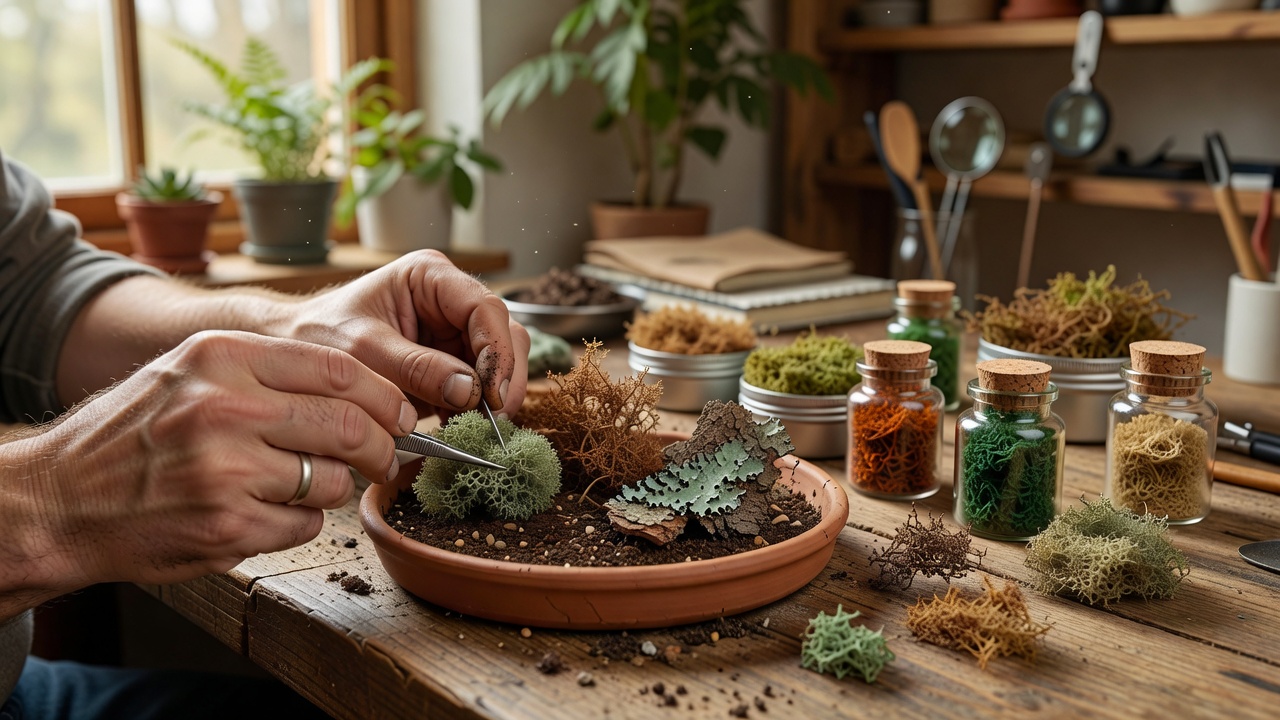
Tinylichen products provide distinctive options for those building small-scale natural displays. Careful observation of several elements helps users achieve lasting results and avoid common pitfalls. Attention to initial choices often determines how well the specimens perform over months or years.
Variety and Compatibility Factors
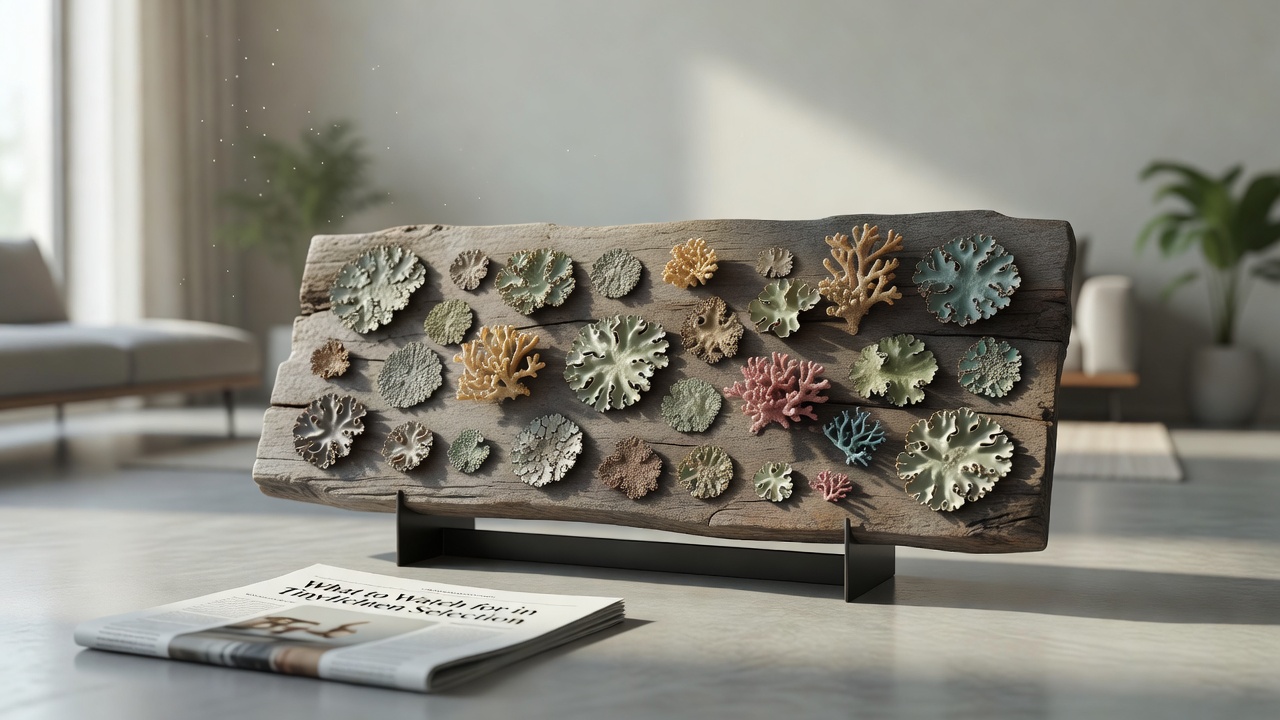
Different Tinylichen types exhibit unique growth habits and environmental needs. Some prefer cooler temperatures and indirect light while others adapt better to warmer settings with moderate humidity. Evaluating how each variety pairs with chosen substrates or enclosures prevents conflicts that could stunt development. Users benefit from researching specific requirements before purchase and noting any interactions within mixed arrangements. Compatibility extends to neighboring elements such as mosses or small stones that might alter moisture retention or airflow. Tracking these details over the first few weeks reveals patterns that guide future decisions and adjustments.
Quality Indicators to Monitor
Healthy Tinylichen displays firm structure and consistent coloration without spots or wilting. Upon receipt examine each piece for signs of stress caused during transit or storage. Over subsequent days observe response to new conditions by measuring incremental changes in size or vibrancy. Poor quality often appears gradually through fading tones or brittle edges that signal inadequate prior care. Maintaining simple records of these observations allows comparison across different batches and suppliers. This practice supports informed selections and reduces the likelihood of repeated issues with replacement items.
Ongoing Care and Adjustment
Regular monitoring of light exposure watering frequency and temperature stability forms the foundation of successful Tinylichen maintenance. Small shifts in any of these areas can influence overall vitality so periodic checks help catch problems early. Adjusting routines based on seasonal variations keeps conditions favorable without overcorrection. Documenting responses to changes creates a personal reference that improves outcomes with experience. Consistent attention to these aspects promotes steady growth and preserves the aesthetic appeal of the display for extended periods.