19 Jul 2026
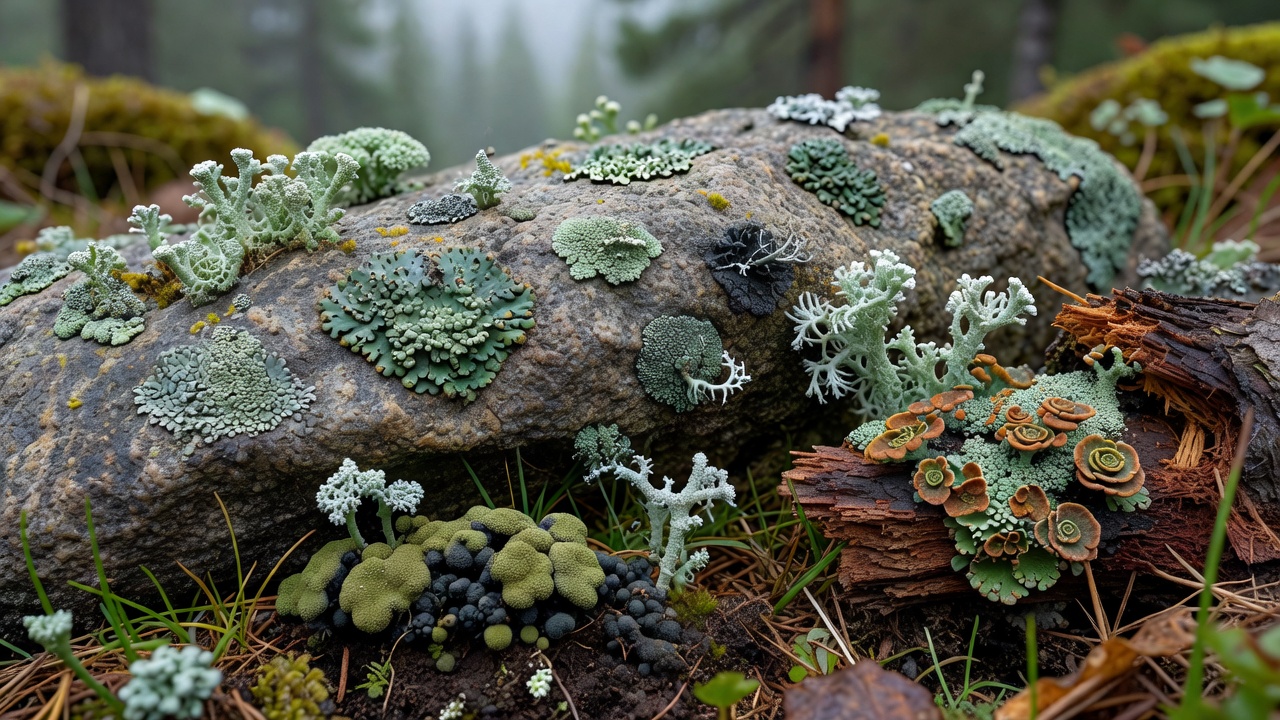
Tinylichen species are miniature lichens found across diverse habitats. These organisms form symbiotic relationships between fungi and algae or cyanobacteria, creating resilient structures that survive in harsh conditions. Their small size allows them to colonize surfaces like bark, rocks, and soil where larger plants cannot thrive.
Ecological Functions
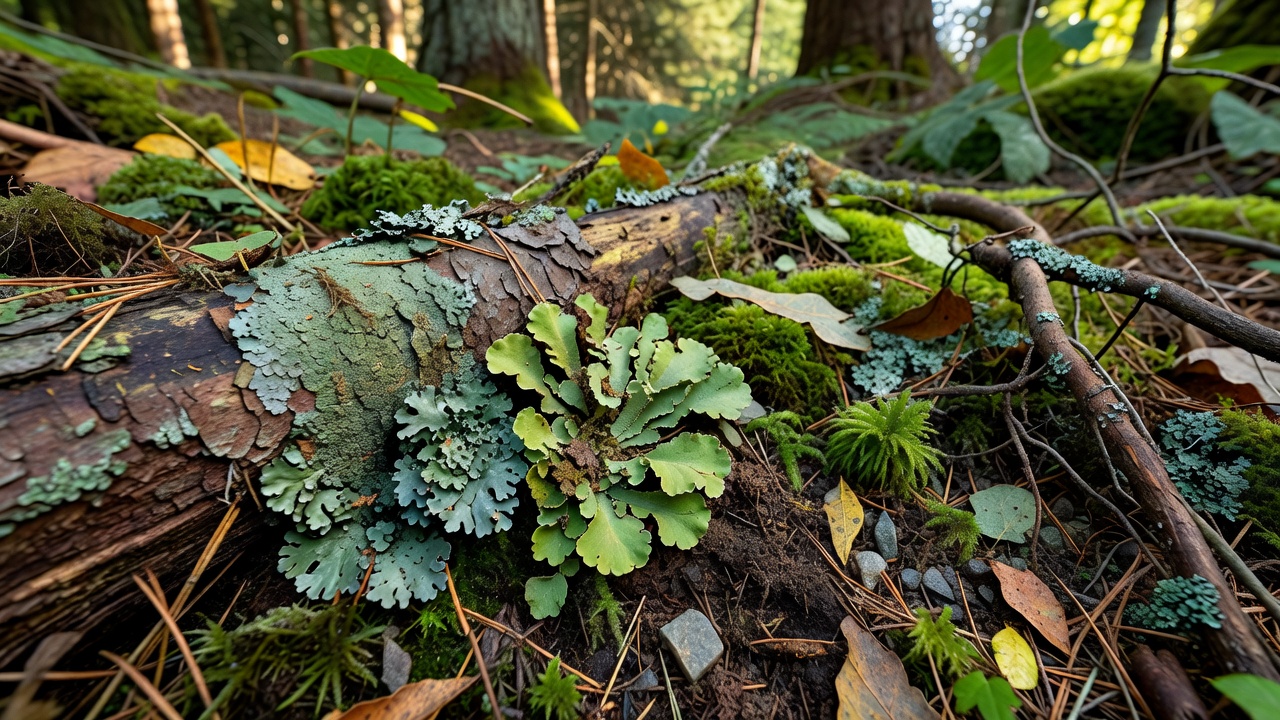
In natural settings tinylichen contributes to nutrient cycling by fixing nitrogen from the air and releasing it into the soil over time. It also serves as a bioindicator for air quality because it absorbs pollutants directly through its surface. Forests with healthy tinylichen populations often show balanced moisture levels and support insect communities that rely on the lichen for food and shelter. Over centuries these lichens help break down minerals on rock surfaces, slowly contributing to soil formation in rocky terrains.
Identification and Context
Observers can recognize tinylichen by its crust-like or leafy appearance in shades of green, gray, or brown. It grows slowly, sometimes only a few millimeters per year, making it a long-term presence in stable environments. In urban areas tinylichen appears on walls and trees, adapting to varying light and pollution levels. Gardeners and naturalists study its distribution to understand local climate patterns and biodiversity health without disturbing the delicate growth.
Conservation Considerations
Protecting tinylichen habitats involves maintaining clean air and avoiding unnecessary removal from natural surfaces. These lichens recover slowly from damage, so preservation efforts focus on reducing emissions and preserving old-growth areas. By appreciating tinylichen within its broader environmental context, people gain insight into ecosystem stability and the interconnectedness of microscopic life forms.