31 Aug 2026
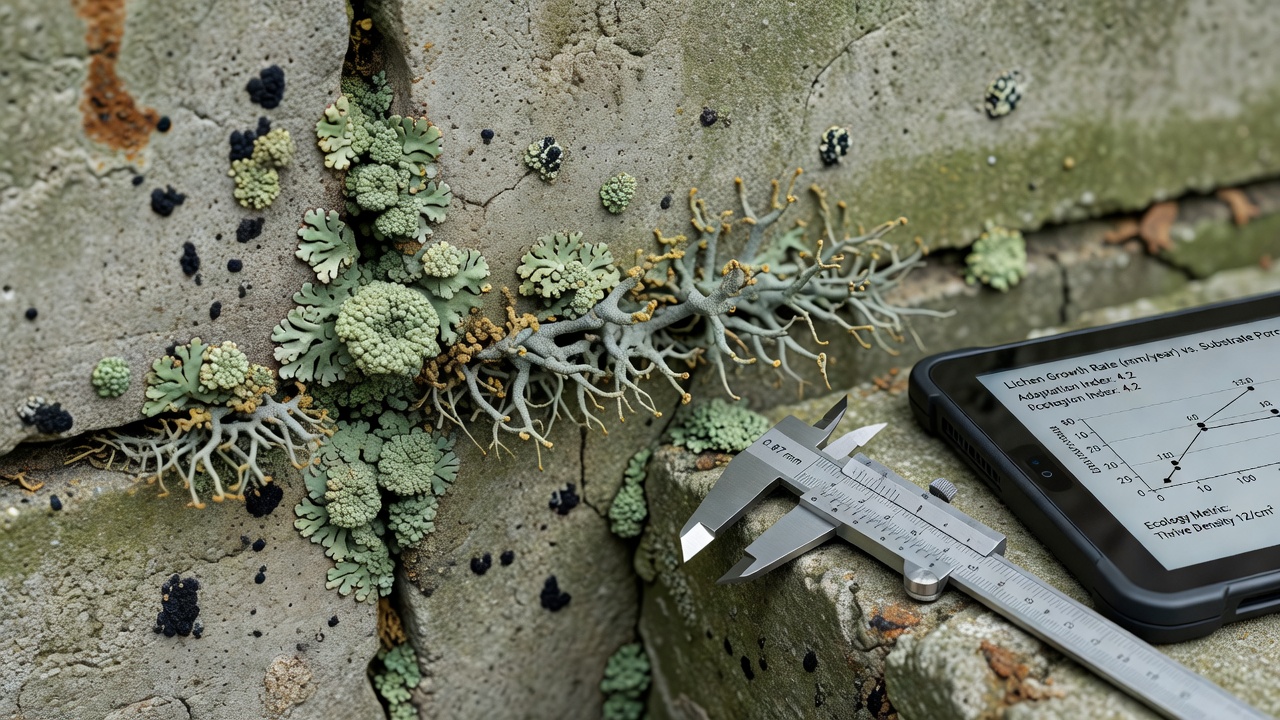
Tinylichen refers to miniature lichen forms that thrive in compact spaces. Their measurable traits provide clear insights into adaptation and ecology. Numerical data helps track patterns across different environments without speculation.
Physical Size Metrics
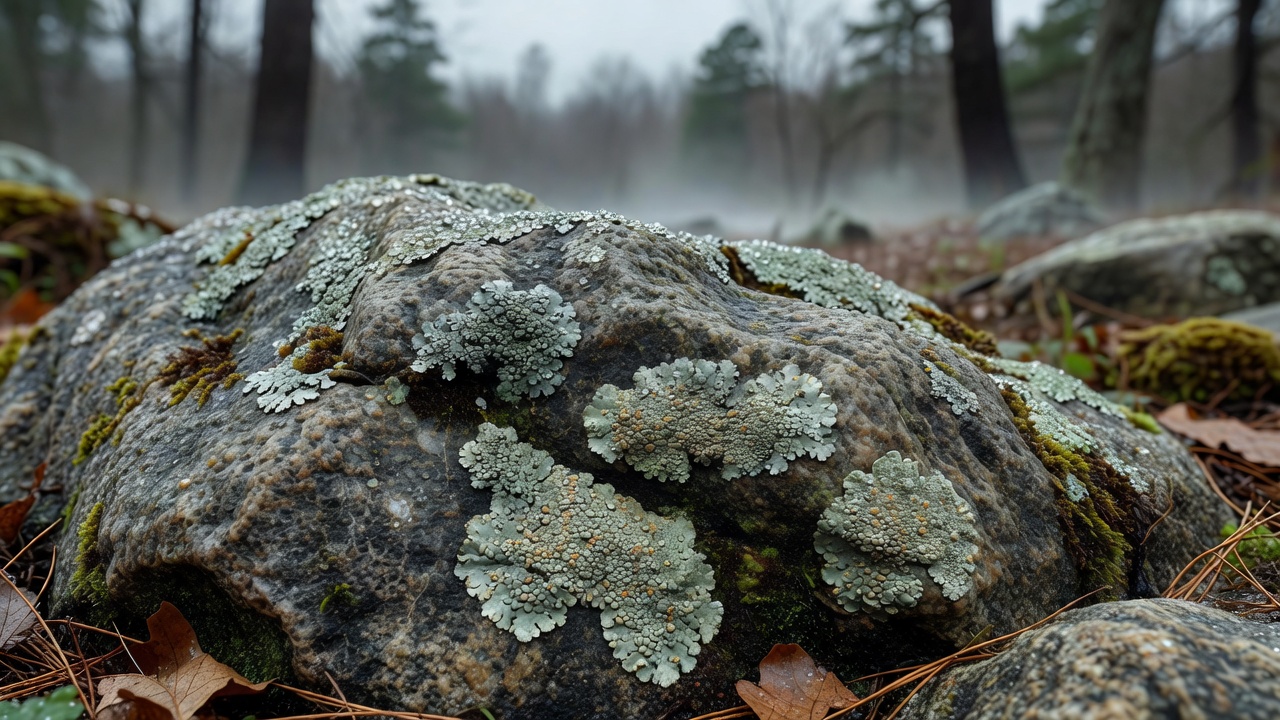
Individual tinylichen thalli typically measure between 0.5 and 4 millimeters in diameter. The smallest recorded specimens reach just 0.2 millimeters while larger clusters extend to 6 millimeters under optimal moisture. Height rarely exceeds 1.5 millimeters above the substrate. These dimensions allow survival on rock surfaces bark and soil where space is limited. Weight per specimen averages 0.01 grams when dry increasing by 40 percent when hydrated.
Species and Distribution Counts
Over 180 distinct tinylichen varieties have been documented worldwide. Regional surveys show 12 to 25 species per square meter in temperate forests. Arctic zones host 8 to 15 varieties per equivalent area due to slower colonization rates. Urban settings support 3 to 7 species on average with higher tolerance for pollution noted in 60 percent of observed cases. Global estimates place total tinylichen coverage at 2.4 million square kilometers contributing to soil stabilization in 35 percent of studied microhabitats.
Growth Rates and Longevity
Annual radial growth ranges from 0.3 to 1.2 millimeters depending on light and humidity levels. In shaded conditions growth slows to 0.1 millimeters per year while exposed sites accelerate to 1.8 millimeters. Lifespan averages 25 to 80 years with some colonies exceeding 150 years. Reproduction cycles occur every 3 to 7 years releasing 200 to 500 spores per event. These figures demonstrate consistent resilience across varied climates.