30 Jul 2026
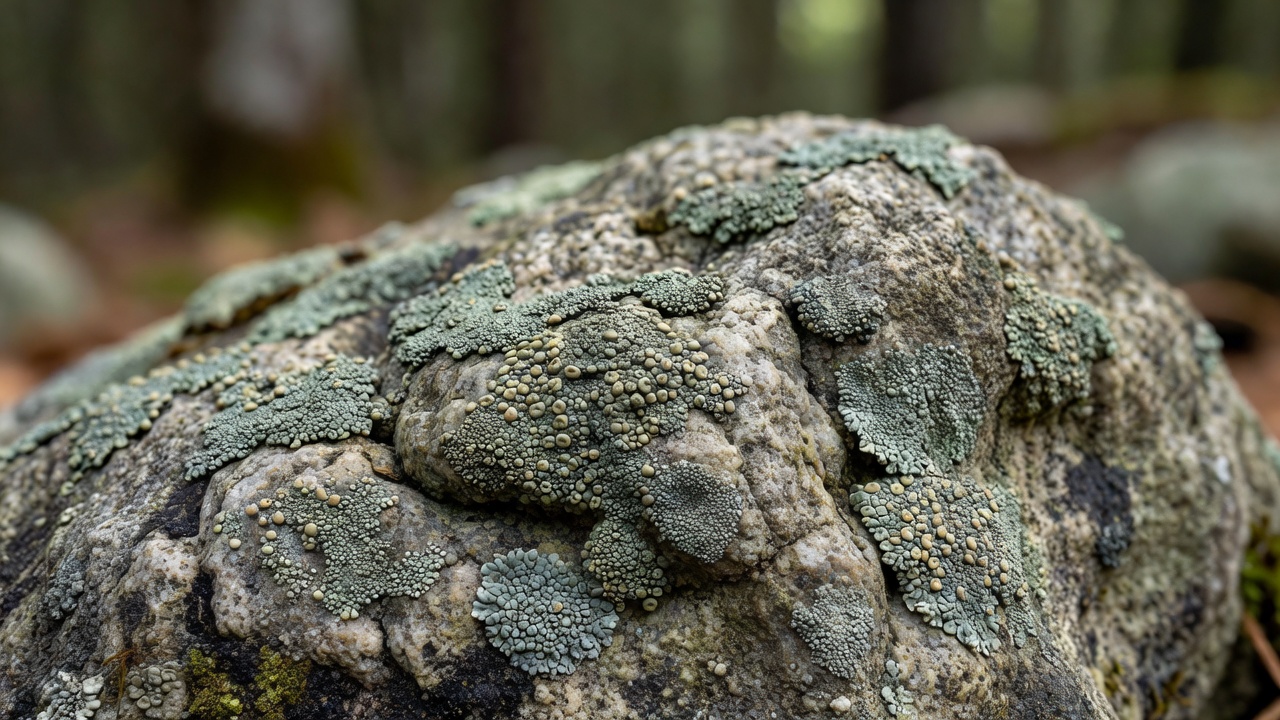
Tinylichen represents a distinctive category of miniature lichens valued for their compact growth patterns and adaptability. These organisms form symbiotic relationships between fungi and algae, resulting in resilient structures that thrive in varied conditions.

Understanding Tinylichen Characteristics
Tinylichen species typically measure under two centimeters in diameter. They exhibit muted color tones ranging from pale greens to soft grays. Their slow growth rate makes them suitable for long-term observation rather than rapid landscaping projects. Environmental tolerance includes moderate humidity levels and indirect light exposure, allowing placement in indoor settings without specialized equipment.
Identification relies on surface texture and attachment methods. Many varieties anchor to smooth stones or bark using minimal rhizines. This trait reduces maintenance needs compared to larger lichen forms that demand frequent repositioning.
Practical Applications in Daily Settings
Enthusiasts incorporate Tinylichen into terrariums to create balanced micro-ecosystems. The organisms contribute to air quality by processing minimal amounts of carbon dioxide. Placement on decorative trays or shelves adds subtle natural elements without overwhelming small spaces.
Collection practices emphasize sustainability. Only fallen or detached specimens should be gathered to avoid disturbing established colonies. Storage in breathable containers preserves viability during transport or relocation.
Maintenance Guidelines for Longevity
Regular misting with distilled water supports hydration without introducing minerals that could alter surface chemistry. Avoid direct sunlight to prevent desiccation. Periodic inspection for competing molds ensures continued health. Over several years, these practices allow gradual expansion while maintaining the original compact scale.
Documentation of growth patterns helps track environmental responses. Simple notes on temperature and moisture levels provide useful references for adjustments. This approach supports consistent results across different indoor climates.