18 Sep 2026
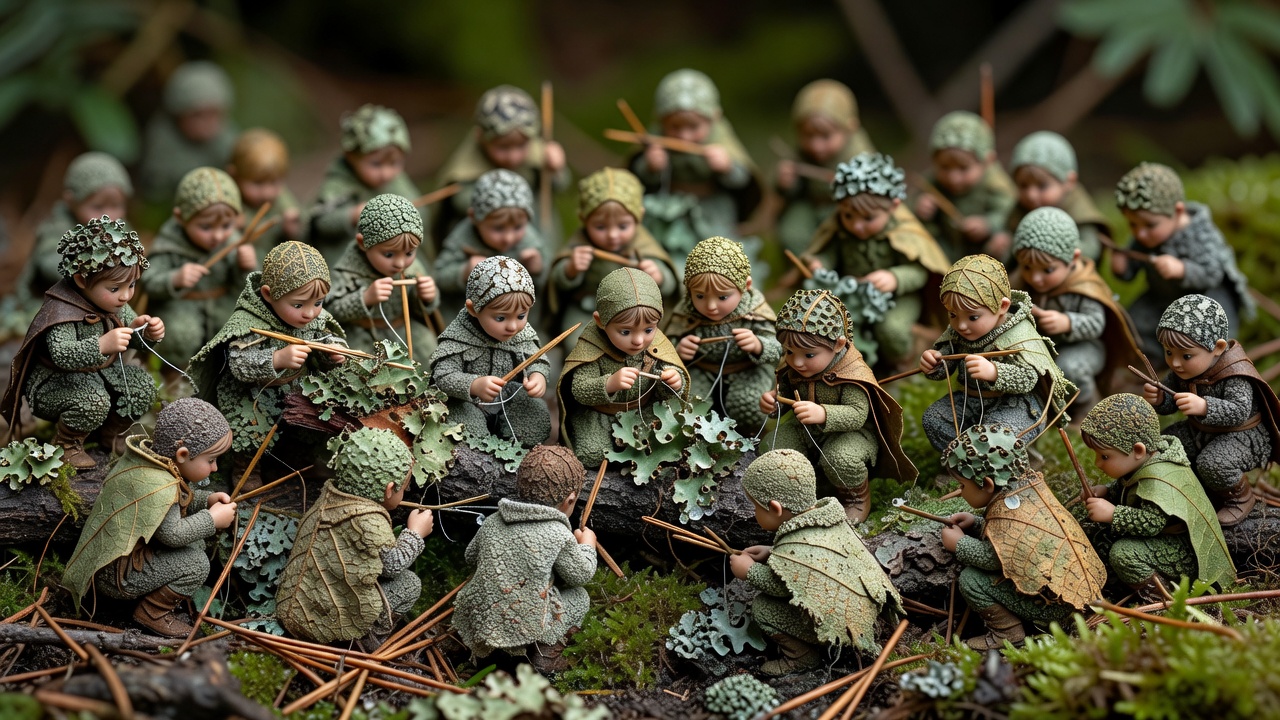
Tinylichen people form a dedicated community centered on the appreciation and care of miniature lichen ecosystems. These individuals often integrate small-scale natural elements into their routines to cultivate mindfulness and a deeper connection with the environment. Their interest typically arises from a preference for compact, low-maintenance projects that highlight nature's intricate details without requiring extensive space or resources.
The Appeal of Tiny Lichen Worlds
Many Tinylichen people value the slow, deliberate growth of lichens, which encourages observation and patience. They select specimens based on texture, color variation, and compatibility with indoor conditions. This pursuit provides a tangible way to study symbiotic relationships in nature, where fungi and algae coexist. Participants frequently report reduced stress levels from tending these displays, as the activity promotes focused attention on subtle changes over weeks or months. Ethical sourcing remains central, with emphasis on collecting only from abundant areas to preserve wild populations.
Daily Routines and Care Techniques
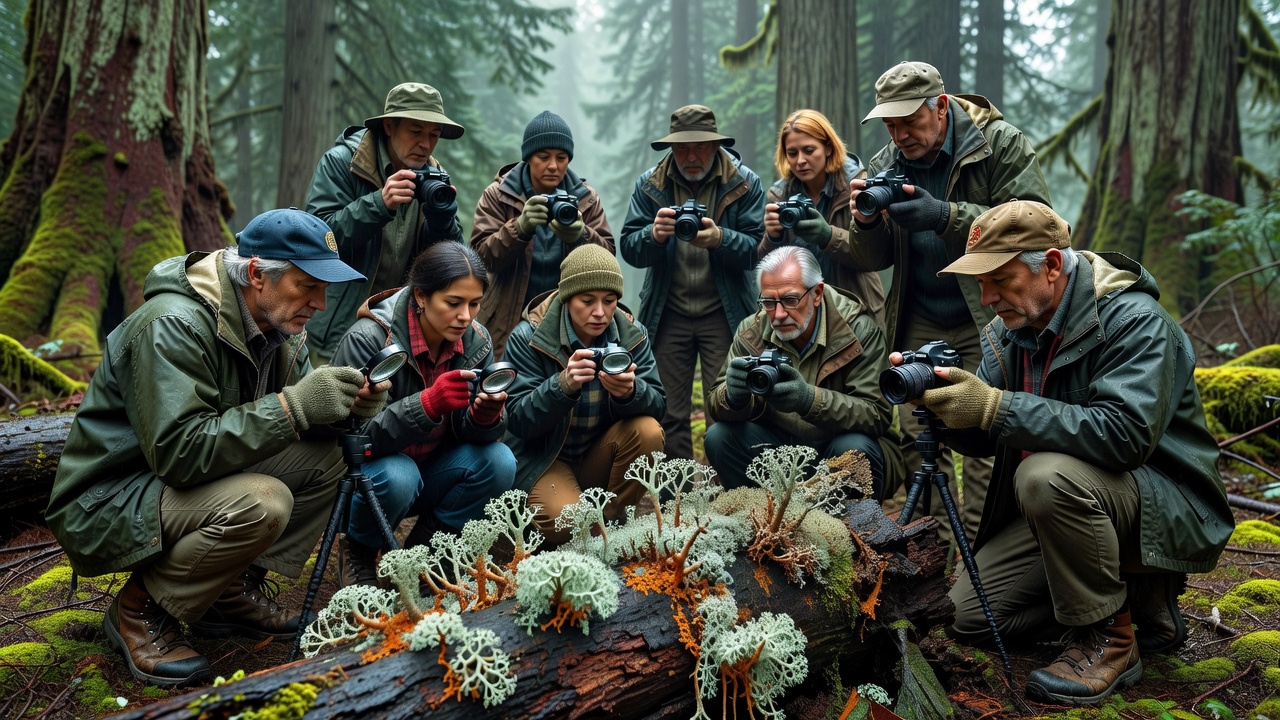
Effective maintenance involves consistent but minimal intervention. Tinylichen people monitor humidity using simple gauges and mist collections with purified water to avoid mineral buildup. Placement in areas with filtered light prevents drying or scorching. Documentation through notes or photographs helps track progress and adjust conditions seasonally. Common challenges include preventing mold or pests, addressed through improved airflow and isolation of affected pieces. Over time, practitioners develop personalized approaches suited to their specific environments, leading to healthier, longer-lasting specimens that reflect individual skill levels.
Community and Shared Knowledge
Connections form through online exchanges and occasional gatherings where techniques and observations are discussed openly. Experienced members guide beginners on topics such as substrate selection and species identification. The group prioritizes sustainability, discouraging practices that harm natural habitats. This collaborative spirit strengthens the collective understanding of lichen biology and care. Newcomers benefit from shared resources that accelerate learning curves while reinforcing responsible engagement with these delicate organisms.
Participation in this interest offers lasting benefits through quiet engagement with natural processes and supportive networks.