29 Mar 2026
Understanding Tinylichen Basics
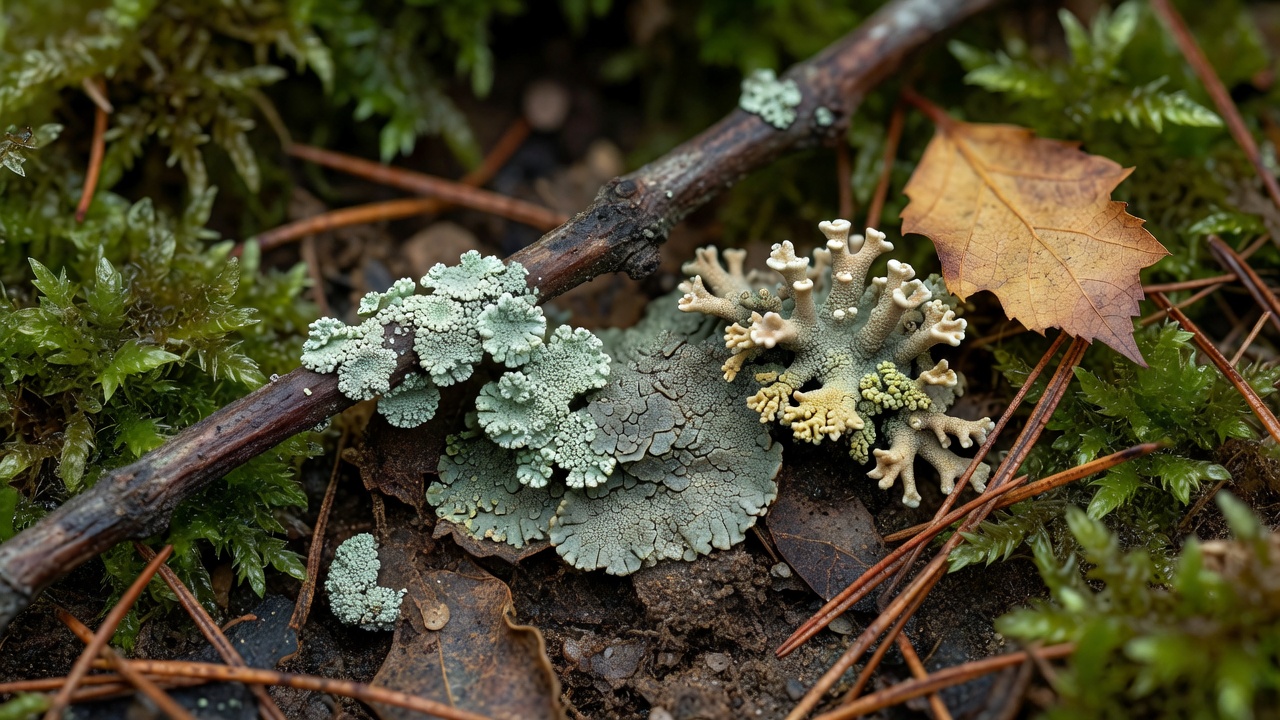
Tinylichen consists of miniature lichen species that form symbiotic partnerships between fungi and algae or cyanobacteria. These compact organisms contribute to soil formation by slowly breaking down mineral surfaces and cycling nutrients back into the environment. Their small size makes them suitable for detailed observation in controlled settings where space is limited. Enthusiasts value tinylichen for their resilience and subtle color variations that range from pale greens to earthy grays.
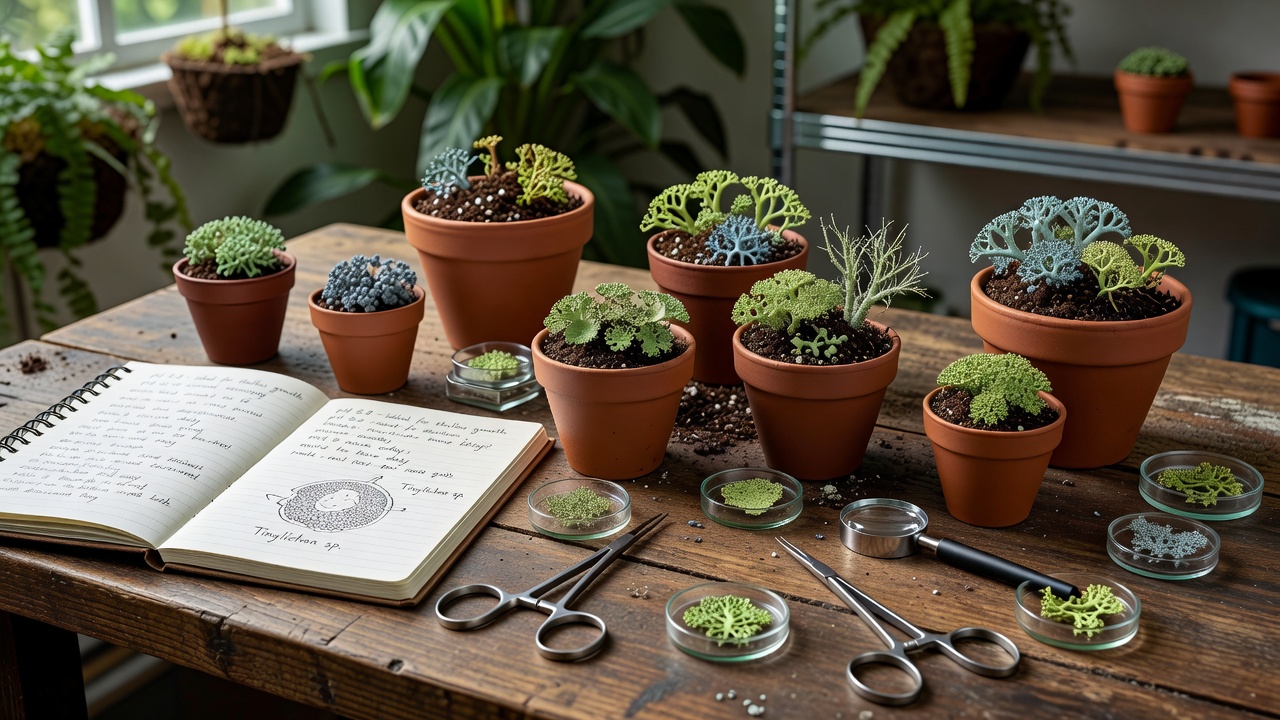
Successful cultivation begins with recognizing the specific needs of each variety. Most tinylichen species require stable conditions that mimic their natural microhabitats. This includes consistent moisture without saturation and protection from direct pollutants.
Creating Suitable Growing Conditions
Light levels should remain indirect to avoid rapid drying of the lichen structure. A north-facing window or filtered artificial light works well for indoor setups. Temperature stability between 15 and 22 degrees Celsius supports steady growth without inducing stress. Humidity can be maintained through occasional misting or placement near a pebble tray with water.
Substrates such as bark pieces, porous rocks, or specialized soil mixes provide the necessary anchor points. Avoid chemical fertilizers, as tinylichen absorbs nutrients directly from the air and water. Regular monitoring for dust accumulation helps preserve their ability to photosynthesize effectively.
Long-Term Maintenance and Observation
Once established, tinylichen requires only periodic checks for moisture balance and removal of competing mosses. Growth rates are slow, allowing cultivators to track changes over months rather than weeks. These organisms also serve as natural indicators of local air quality, responding visibly to shifts in environmental conditions.
Documenting color changes or expansion patterns can provide useful records for personal reference or sharing with other hobbyists. Over time, a well-maintained tinylichen collection enhances both aesthetic appeal and understanding of ecological processes in miniature form.